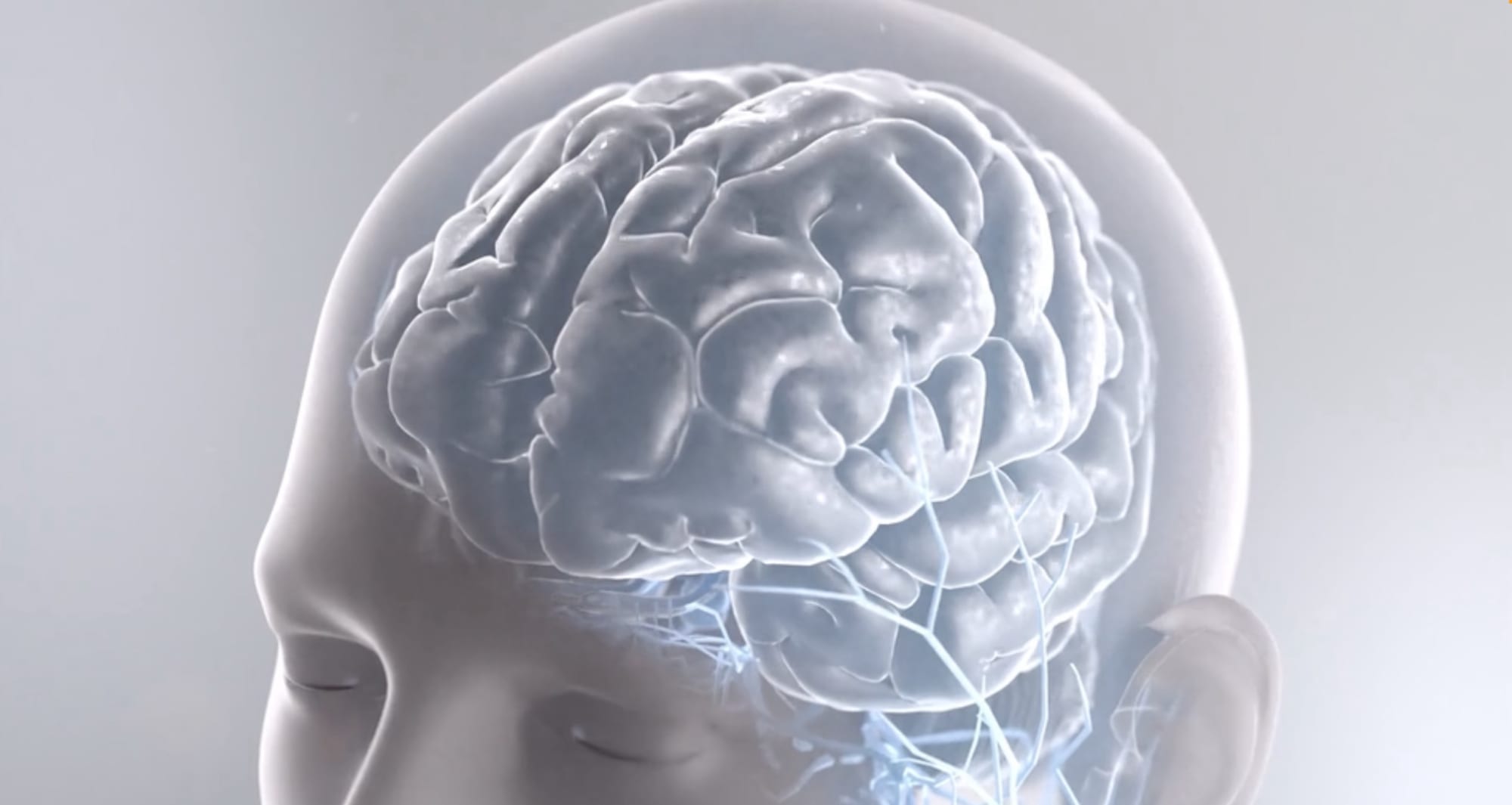
Neurimmune is a clinical-stage biopharmaceutical company building next generation antibody therapeutics. The company pioneers amyloid depletion as a novel therapeutic mechanism to treat CNS and related protein aggregation diseases including Alzheimer’s disease, amyotrophic lateral sclerosis and ATTR cardiomyopathy.

Emerging Therapies

Adoor's Elippathayam (The Rat Trap, 1981) is a masterpiece that uses the crumbling feudal tharavad (ancestral home) as a metaphor for the psychological paralysis of the landlord class unable to adapt to post-land-reform Kerala. The film captures the slow, humid decay of a bygone era, the smell of monsoon rain, and the weight of tradition—all quintessential sensory markers of Keralan life. Aravindan's Thambu (Circus Tent, 1978) was a poetic, near-silent meditation on rural life and the disruption of tradition by modernity. These films were not just stories; they were anthropological studies. They documented the unique geography of Kerala—the backwaters, the rubber plantations, the crowded marketplaces—and the nuances of its language, from the formal, Sanskritized Malayalam of the elite to the earthy, witty slang of the common man.
This new wave has fearlessly explored themes once considered taboo: homosexuality ( Ka Bodyscapes , Moothon ), religious fundamentalism ( Paleri Manikyam ), caste violence ( Perariyathavar ), and political corruption ( Nayattu ). The geography has shifted from the idyllic countryside to the claustrophobic apartments, chaotic streets, and backwater slums of urbanizing Kerala. The language is naturalistic, peppered with local slangs and even abuses, reflecting the authentic voice of the people.

Malayalam cinema is the most articulate, accessible, and beloved chronicler of Kerala's journey through the 20th and 21st centuries. From the feudal melancholy of Elippathayam to the explosive anger of The Great Indian Kitchen , from the moral certainties of Neelakuyil to the moral ambiguities of Nayattu , the cinema has held a mirror to every facet of Keralan life—its natural splendor, its social struggles, its literary richness, and its unique political experiments. It has celebrated the state's remarkable achievements in literacy, public health, and social justice, while relentlessly critiquing its hypocrisies, caste prejudices, and patriarchal structures. As Kerala continues to evolve in a globalized world, grappling with climate change, brain drain, and new social dynamics, its cinema will undoubtedly remain at the forefront of the conversation—not just as a reflection of the culture, but as one of its most powerful architects. For a student of Kerala, watching its cinema is not merely an act of entertainment; it is an act of cultural immersion.

Malayalam cinema has also reflected the social and cultural changes in Kerala society. Themes like:

Www Mallu Six Coml Better ✨

Adoor's Elippathayam (The Rat Trap, 1981) is a masterpiece that uses the crumbling feudal tharavad (ancestral home) as a metaphor for the psychological paralysis of the landlord class unable to adapt to post-land-reform Kerala. The film captures the slow, humid decay of a bygone era, the smell of monsoon rain, and the weight of tradition—all quintessential sensory markers of Keralan life. Aravindan's Thambu (Circus Tent, 1978) was a poetic, near-silent meditation on rural life and the disruption of tradition by modernity. These films were not just stories; they were anthropological studies. They documented the unique geography of Kerala—the backwaters, the rubber plantations, the crowded marketplaces—and the nuances of its language, from the formal, Sanskritized Malayalam of the elite to the earthy, witty slang of the common man.

This new wave has fearlessly explored themes once considered taboo: homosexuality ( Ka Bodyscapes , Moothon ), religious fundamentalism ( Paleri Manikyam ), caste violence ( Perariyathavar ), and political corruption ( Nayattu ). The geography has shifted from the idyllic countryside to the claustrophobic apartments, chaotic streets, and backwater slums of urbanizing Kerala. The language is naturalistic, peppered with local slangs and even abuses, reflecting the authentic voice of the people. www mallu six coml better

Malayalam cinema is the most articulate, accessible, and beloved chronicler of Kerala's journey through the 20th and 21st centuries. From the feudal melancholy of Elippathayam to the explosive anger of The Great Indian Kitchen , from the moral certainties of Neelakuyil to the moral ambiguities of Nayattu , the cinema has held a mirror to every facet of Keralan life—its natural splendor, its social struggles, its literary richness, and its unique political experiments. It has celebrated the state's remarkable achievements in literacy, public health, and social justice, while relentlessly critiquing its hypocrisies, caste prejudices, and patriarchal structures. As Kerala continues to evolve in a globalized world, grappling with climate change, brain drain, and new social dynamics, its cinema will undoubtedly remain at the forefront of the conversation—not just as a reflection of the culture, but as one of its most powerful architects. For a student of Kerala, watching its cinema is not merely an act of entertainment; it is an act of cultural immersion. Adoor's Elippathayam (The Rat Trap, 1981) is a

Malayalam cinema has also reflected the social and cultural changes in Kerala society. Themes like: These films were not just stories; they were