
Chapter 14 of Eteima Bonny Wari serves as a pivotal turning point in the narrative arc. Following the high-octane tensions of the previous chapters, this installment slows the pace to allow for crucial character introspection and plot deepening. The chapter focuses on the aftermath of the protagonist’s recent confrontation, revealing hidden truths about the lineage of the Wari family and setting the stage for the impending regional conflict.
Situated on Bonny Island at the southern edge of Rivers State.
Participants wear the traditional "Don" or "Woko" paired with expensive George wrappers and coral beads.
As "Eteima Bonny Wari 14" represents the fourteenth installment in a specific serial narrative, the following is a creative article summarizing the appeal of the series and the themes likely found in this specific chapter. The Allure of Eteima Bonny: Unpacking Wari 14
When you hear the term, do not simply think of "14 elders." Think of the war canoes slicing through the Bonny River. Think of the palaver huts where the fate of thousands was decided. Think of the unbroken chain of lineage that connects the skyscrapers of Port Harcourt to the shrines of Okoloama.
: Based on snippets from related episodes (e.g., Episode 37 and Episode 1), these stories often focus on family dynamics, relationships, and drama within a Manipuri cultural context.
: The series is primarily shared as digital text or audio "wari" (stories) on platforms like Facebook and Google Drive.
Chapter 14 of Eteima Bonny Wari serves as a pivotal turning point in the narrative arc. Following the high-octane tensions of the previous chapters, this installment slows the pace to allow for crucial character introspection and plot deepening. The chapter focuses on the aftermath of the protagonist’s recent confrontation, revealing hidden truths about the lineage of the Wari family and setting the stage for the impending regional conflict.
Situated on Bonny Island at the southern edge of Rivers State.
Participants wear the traditional "Don" or "Woko" paired with expensive George wrappers and coral beads.
As "Eteima Bonny Wari 14" represents the fourteenth installment in a specific serial narrative, the following is a creative article summarizing the appeal of the series and the themes likely found in this specific chapter. The Allure of Eteima Bonny: Unpacking Wari 14
When you hear the term, do not simply think of "14 elders." Think of the war canoes slicing through the Bonny River. Think of the palaver huts where the fate of thousands was decided. Think of the unbroken chain of lineage that connects the skyscrapers of Port Harcourt to the shrines of Okoloama.
: Based on snippets from related episodes (e.g., Episode 37 and Episode 1), these stories often focus on family dynamics, relationships, and drama within a Manipuri cultural context.
: The series is primarily shared as digital text or audio "wari" (stories) on platforms like Facebook and Google Drive.
It is quite different. The All Films 5 is not a replacement for All Films 4, it's just a new tool based on the new underlaying principles and featuring a range of updated and refined film looks. Among its distinctive features are:
– New film looks (best film stocks, new flavours)
– Fully profile-based design
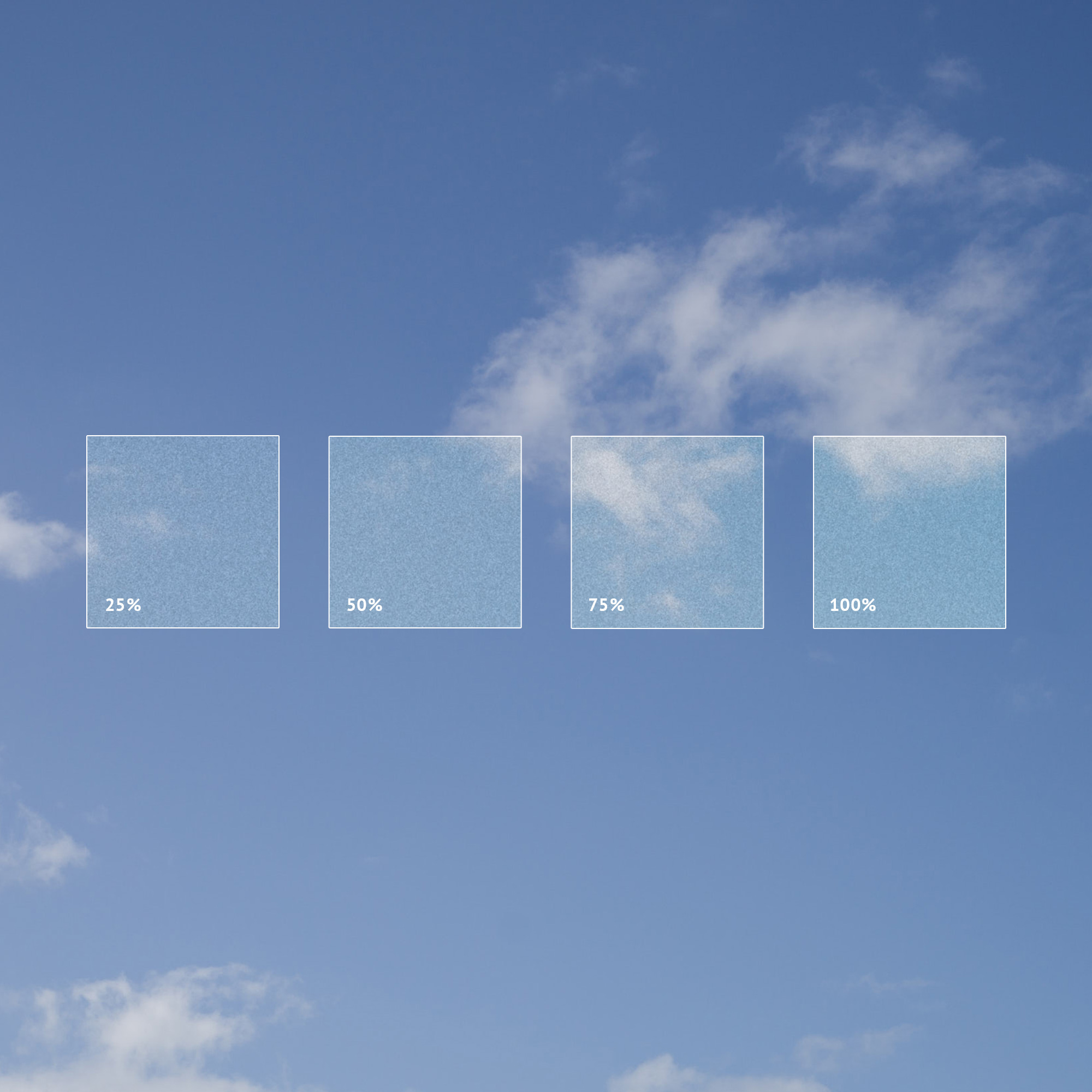
– 4 different strengths for each look
– Dedicated styles for Nikon & Sony and Fujifilm cameras
Yes. As long as your camera model is supported by your version of Capture One.
Yes. But you'll need to manually set your Fujifilm RAW curve to "Film Standard" prior to applying a style. Otherwise the style will take no effect.
It works very well for jpegs. The product includes dedicated styles profiled for jpeg/tiff images.
This product delivers some of the most beautiful and sophisticated film looks out there. However it has its limitations too:
1. You can't apply All Films 5 styles to Capture One layers. Because the product is based on ICC profiles, and Capture One does not allow applying ICC profiles to layers.
2. Unlike the Lightroom version, this product won't smartly prevent your highlights from clipping. So you have to take care of your highlights yourself, ideally by getting things right in camera.
3. When working with Fujifilm RAW, you'll need to set your curve to Film Standard prior to applying these styles. Otherwise the styles may take no effect.

1. Adobe Lightroom and Capture One versions of our products are sold separately in order to sustain our work. The exact product features may vary between the Adobe and Capture One versions, please check the product pages for full details. Some minor variation in the visual output between the two may occur, that's due to fundamental differences between the Adobe and Phase One rendering engines.
–
2. Film look generations are basically major revisions of our entire film library. Sometimes we have to rebuild our whole library of digital tools from the ground to address new technological opportunities or simply make it much better.