Private230519lialinwelcomepartyxxx720p -
iPhone • Android
A simple, easy to use app for quickly scoring and tracking disc golf rounds. Score 1-5 players, reuse saved courses and view stats for each player.
Install Now for FREE
Disc Golf ScoreCard isn't in the iTunes App Store or the Google Play Store. Its a web page that acts like an app (web app). Use the "Install Now for FREE" button above or select your phone below for more instructions.






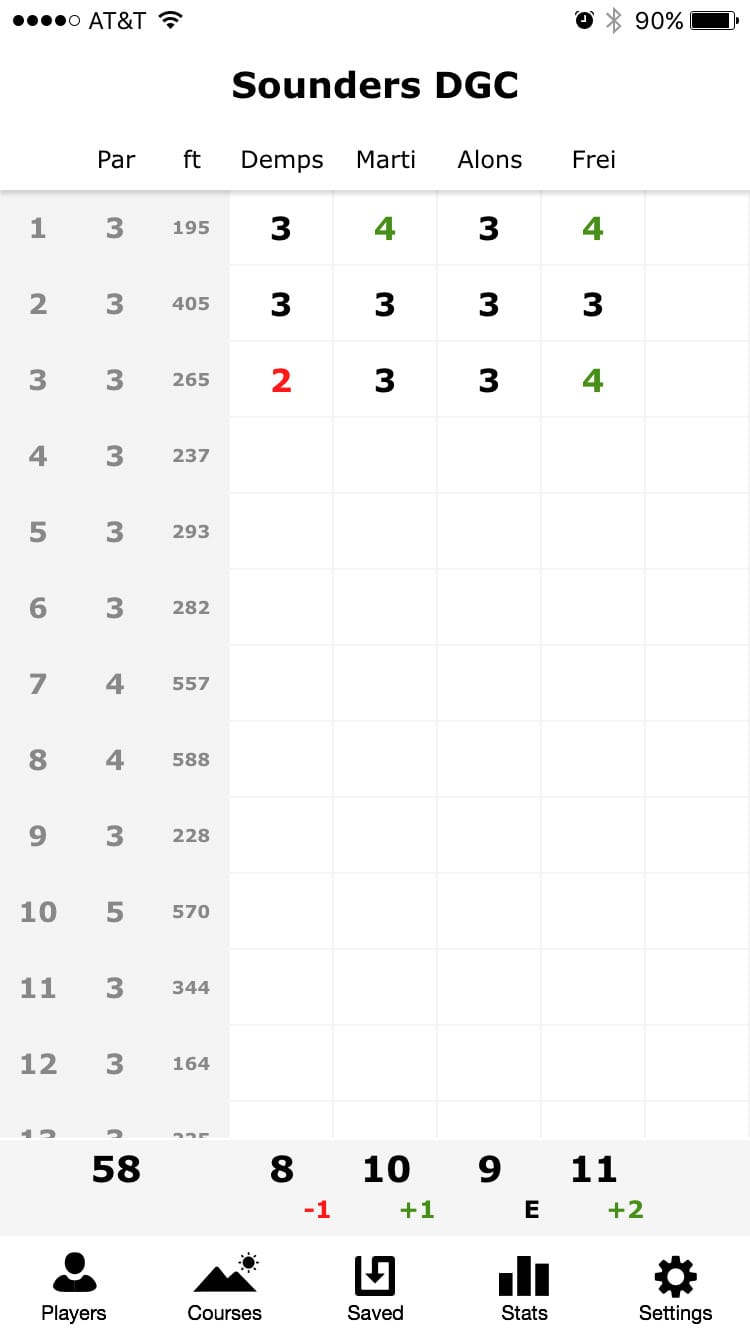


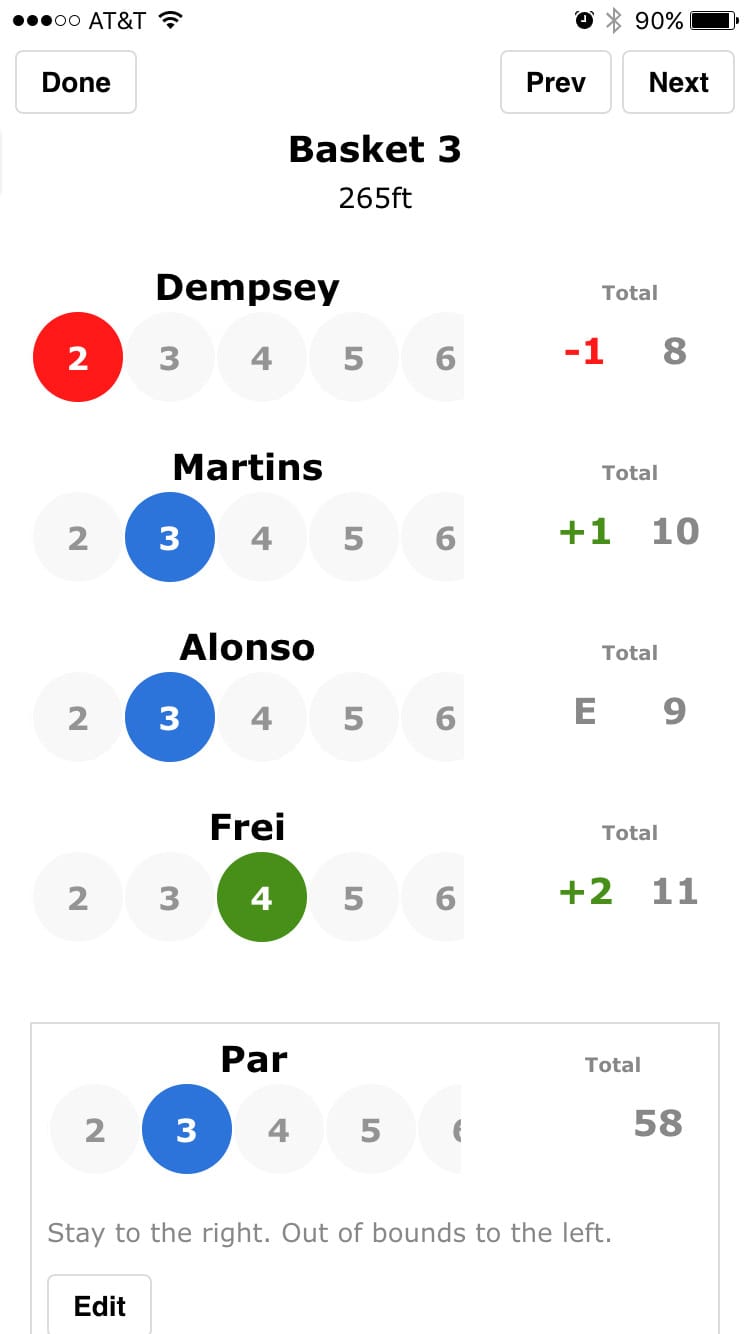


Get started quickly. Enter the player names, course name, number of baskets and you're ready to go. You can enter course information like pars and distances as you play. Simple, quick and easy!
Current version: 7.2
Changes:
Previous changes:
Last updated: March 31, 2021
In the early 20th century, the Austrian writer Karl Kraus famously quipped, "How is the world ruled and led to war? Politicians lie to journalists and believe it when they see it in the papers." Today, nearly a century later, the sentiment remains, but the medium has shifted. We no longer just read the papers; we stream the series, scroll through the feeds, and binge the franchises. Entertainment has evolved from a mere diversion—a way to pass the time after the sun went down—into the primary lens through which we understand reality. It is no longer just a reflection of our culture; it is the architect of it.
To understand the power of modern entertainment, one must first acknowledge the "Golden Age of Television" and its subsequent transformation. For decades, television was derided as a "vast wasteland," a passive medium designed to placate the masses with episodic, reset-button storytelling. However, the rise of the anti-hero in the early 2000s—typified by Tony Soprano and Walter White—marked a seismic shift. Entertainment became "prestige." It demanded attention. It forced audiences to empathize with the morally bankrupt, complicating the simplistic binary of "good vs. evil." This wasn't just better writing; it was a mirror held up to a post-9/11 world where institutional trust was eroding and moral lines were blurring. We didn't just watch these characters; we processed our own societal anxieties through their fictional downfalls. private230519lialinwelcomepartyxxx720p
: On-demand platforms have replaced scheduled TV as the dominant source of visual storytelling. Interactive Media In the early 20th century, the Austrian writer
In today's digital age, the concept of privacy has become more elusive than ever. With the advent of social media and high-definition cameras, every moment of our lives can be captured and shared with the world. This has significant implications for social gatherings, including welcome parties, where the line between public and private spaces is often blurred. Entertainment has evolved from a mere diversion—a way
The sheer volume is overwhelming. To keep subscribers from canceling, platforms prioritize volume over vision . This leads to the rise of “algorithmic content”—shows and movies designed not to be great, but to be “good enough” to auto-play while you do dishes. The result is a sea of mediocre, forgettable programming (often dubbed “mid-core” content) that satisfies data metrics but leaves no cultural footprint.
Despite the tech surge, audiences are gravitating back to classic film catalogs and '80s/'90s aesthetics to combat digital fatigue. 2. Core Pillars of Content Strategy
: Platforms are moving away from massive volume toward "fewer, bigger" releases, often bundling services (like Disney+, Hulu, and ESPN) to reduce subscriber fatigue. Major 2026 Movie Releases
