Package Builder
Build macOS installer packages easily.
Version 2 — $30 — Requires macOS 13 or Later
Package Builder
Build macOS installer packages easily.
Version 2 — $30 — Requires macOS 13 or Later
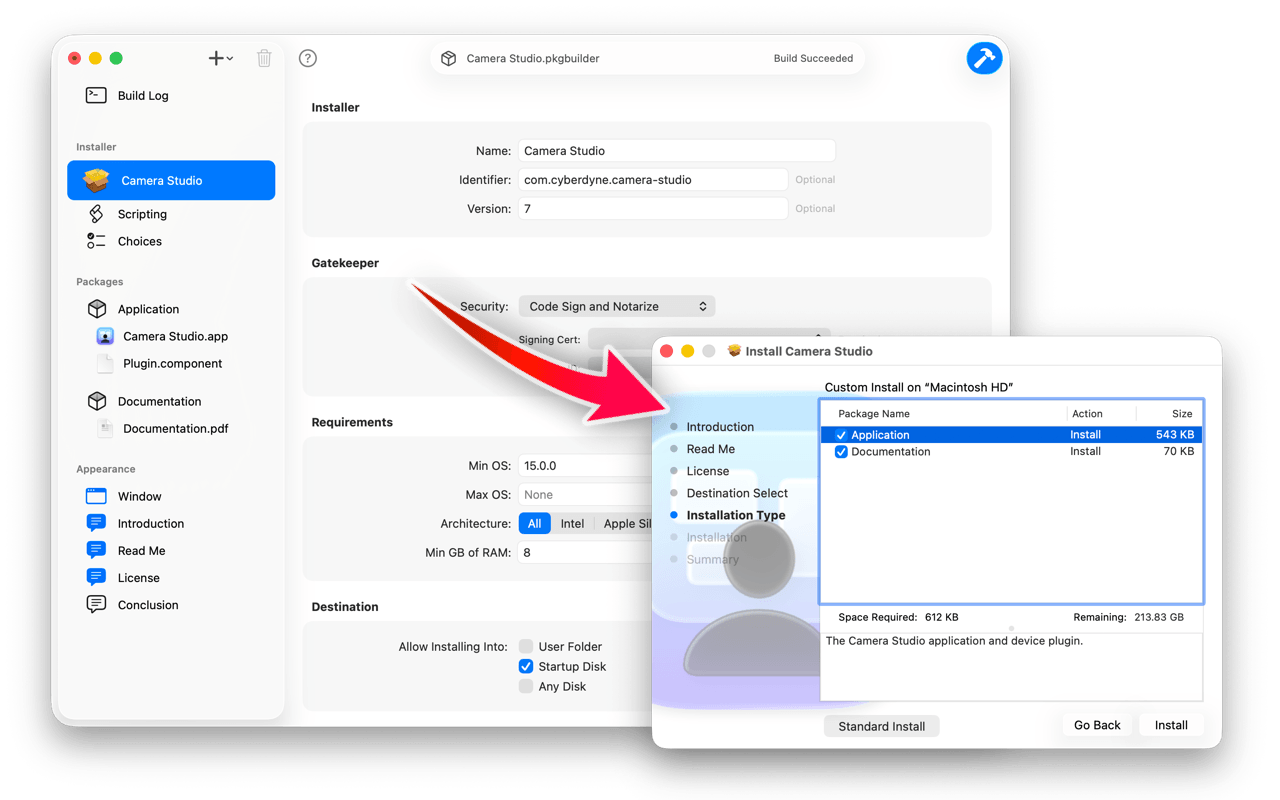
Apple has left macOS installer package building to the realm of command line wizards, with little and unclear documentation, making it take hours to even understand how to build an installer correctly. — Package Builder makes it super easy to build installer packages by simplifying the process: Simply drag and drop your files, set a few settings, and click "Build". Done. Headache-free.
The internet is full of posts from people trying to create a macOS installer package correctly, which is a testament to how confusing and time consuming it can be. Your time is worth more. — Package Builder makes it super easy to build installer packages by simplifying the process: Simply drag and drop your files, set a few settings, and click "Build". Done.

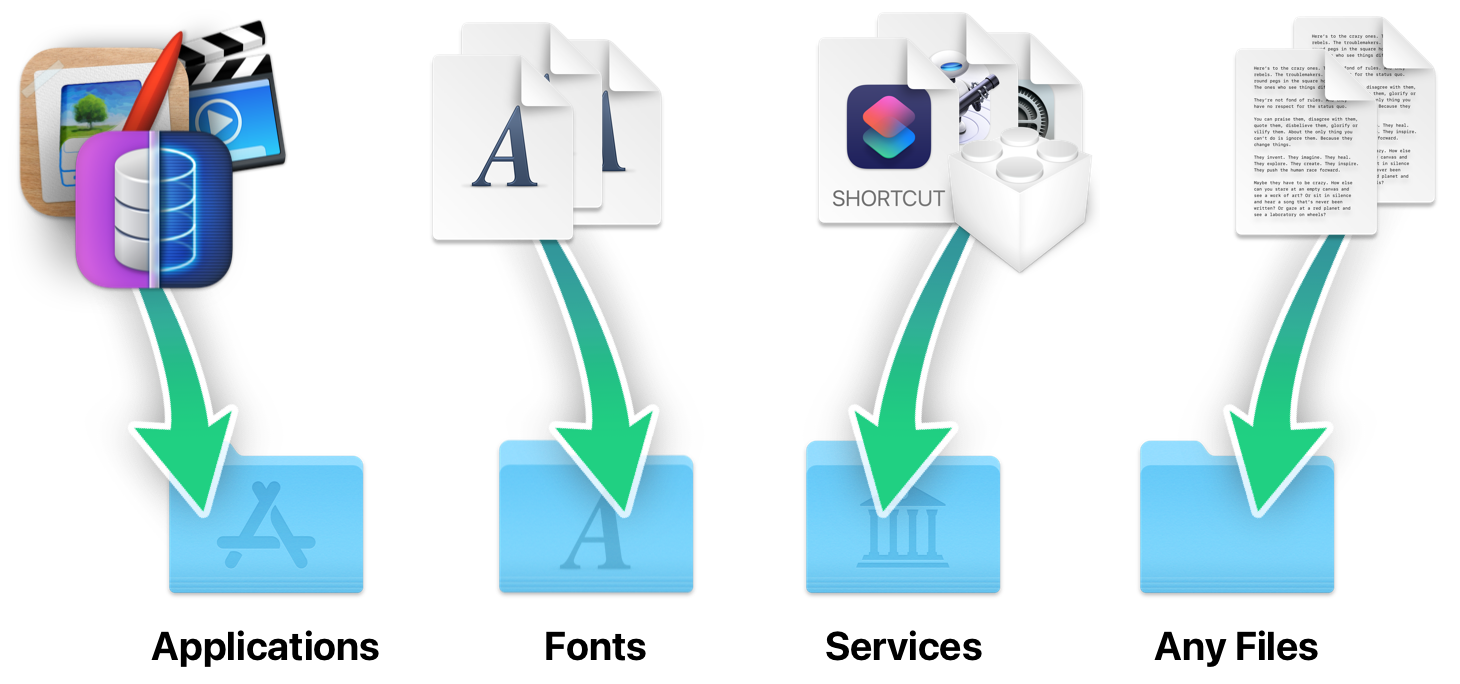
…Applications, Fonts, Screensavers, Automator workflows, Shortcuts, Extensions, Device Component Plugins, Sounds, Preference Panes, Input Managers, Color Pickers, Desktop Pictures, and anything else.
If you see "F Codes" being shared, these are often limited-time redeem codes to get the "Pro" version of these apps for free. Keep an eye on tech forums and creators to snag yours! 🔑
Security and privacy basics
When we talk about an (assuming 'F' refers to a high-complexity system — e.g., a social platform, fintech tool, or real-time engine), the real challenge isn't stealing the design. It's replicating the invisible logic . f code clone app
F code clone apps have a wide range of use cases across various industries, including: If you see "F Codes" being shared, these
F code clone apps work by utilizing a pre-built codebase that contains the essential features and functionalities of a popular app. This codebase is then customized to create a unique app that meets the requirements of the client. The F code framework uses a modular approach, which enables developers to easily modify and update the app as needed. It's replicating the invisible logic
The original F-Code system was developed to enhance the privacy and organization of faxed documents. It uses a sub-addressing method—a numerical code—to route documents to specific "boxes" or recipients, ensuring that sensitive information doesn't sit openly on a communal printer tray. A clone app attempts to modernize this by allowing users to send, receive, and manage these secure transmissions directly from a smartphone or laptop. Key Features of a Clone App A successful F-Code clone app typically includes: Virtual Sub-Addressing:
Features like App Lock and "Private Vaults" for hiding sensitive media. 4. Development Perspective: Building a Clone App
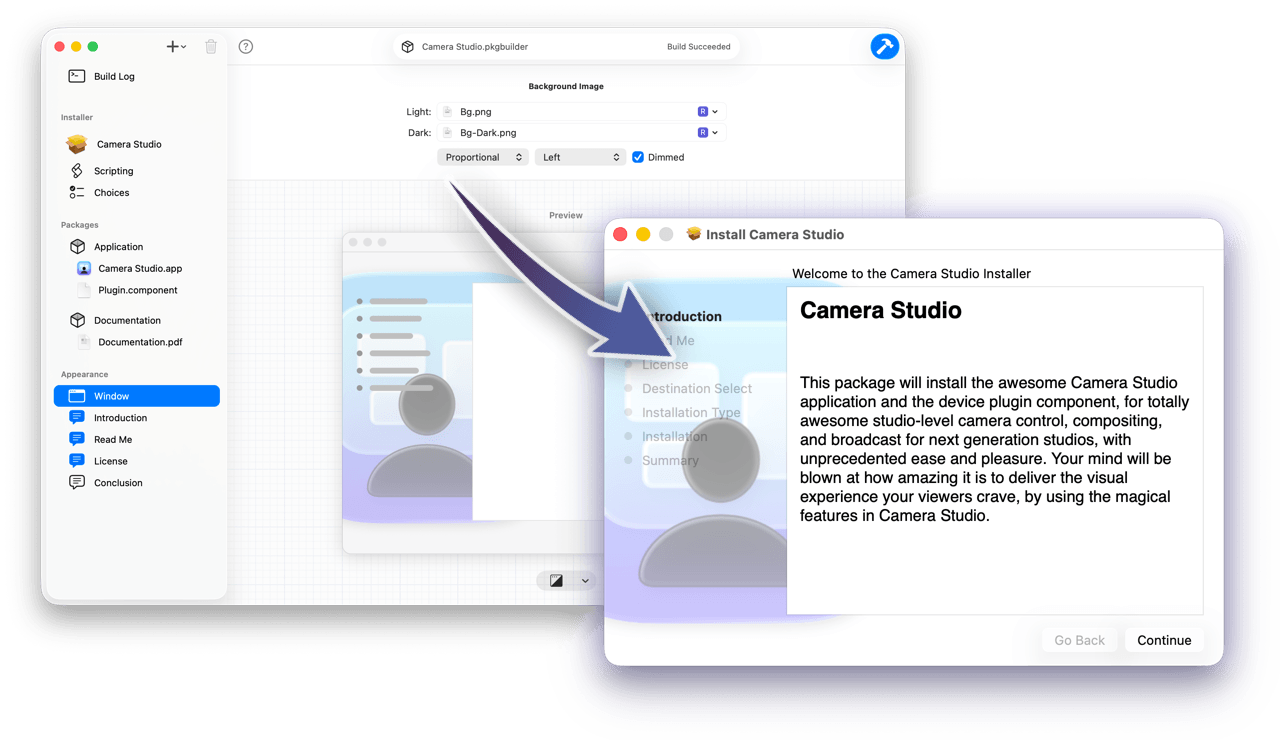
Set a custom background image for both light mode and dark mode interfaces.
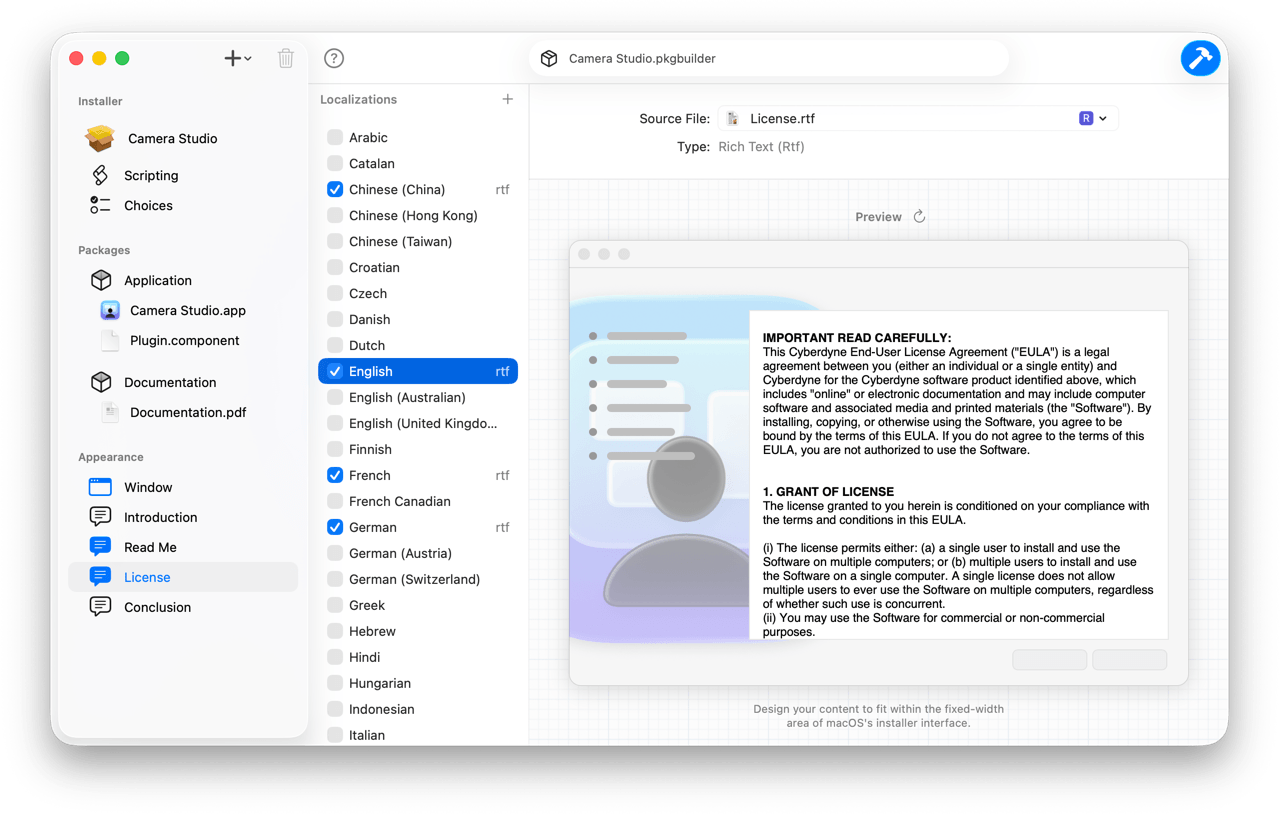
Add custom text.
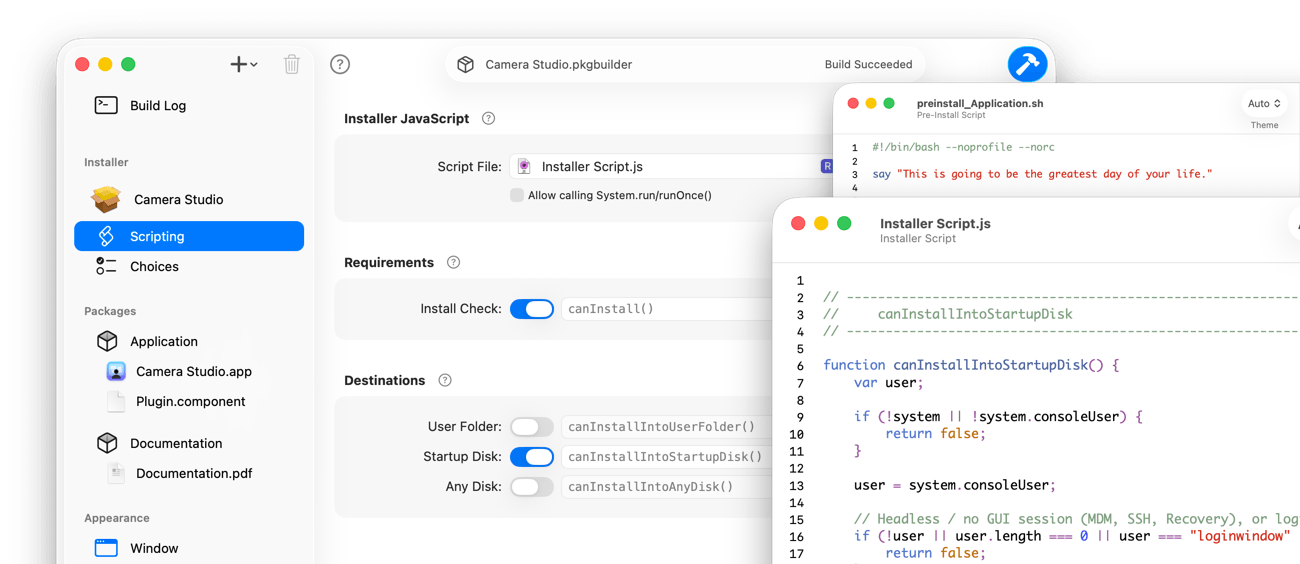
Customize the installer behavior with Installer JS scripting, and pre/post-install shell scripts. Figuring out exactly what command line arguments and environment variables there are to use is a cinch, because the built-in shell script editor conveniently lists them all with documentation.
Just like Apple does, when shipping your .pkg file, you may want to place it in a disk image .dmg with a beautiful background and perhaps a license agreement as well. Package Builder integrates with DMG Canvas which is the perfect tool for building your disk image. With this integration, building your disk image in DMG Canvas will now automatically build your installer in Package Builder, and place the .pkg file into your disk image, code signed, notarized, and ready to go.
Check Out DMG Canvas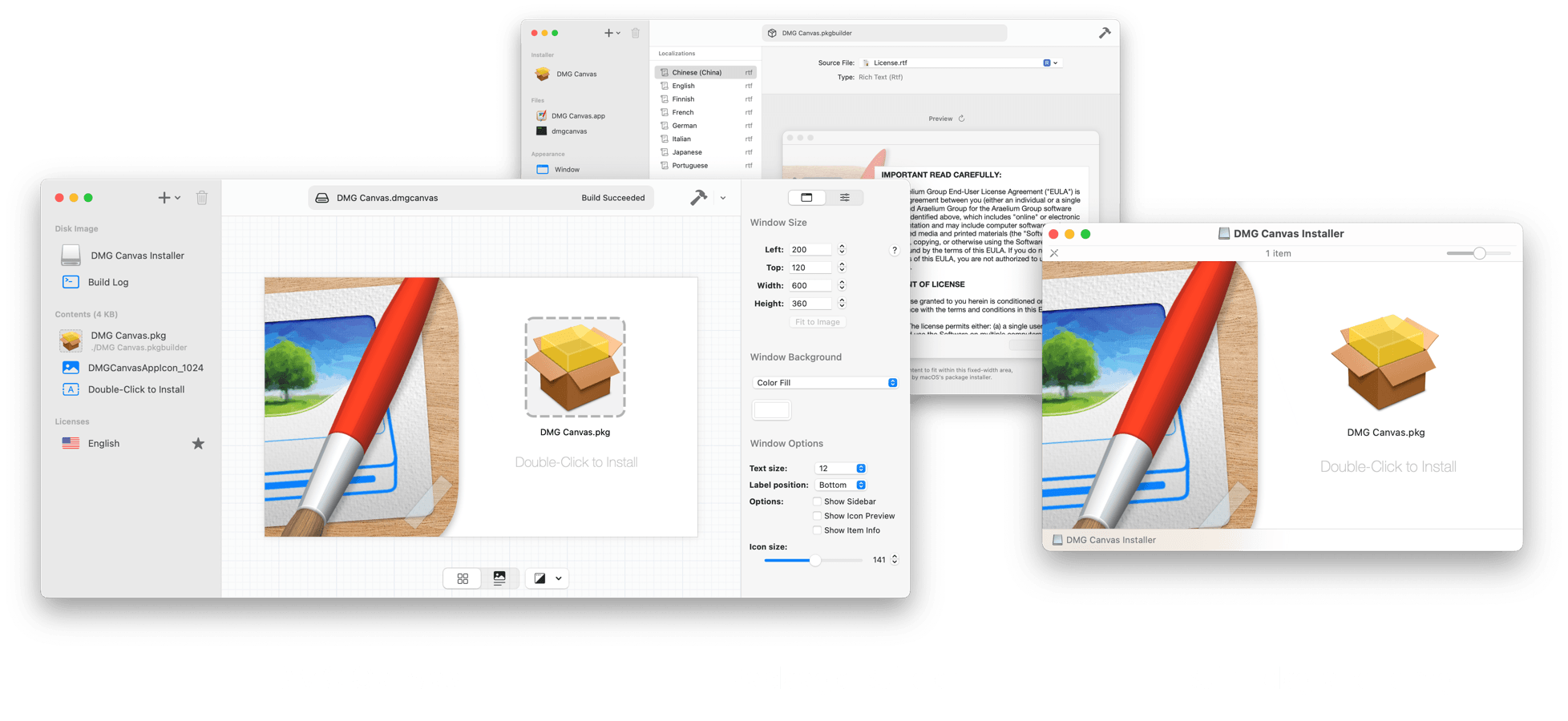
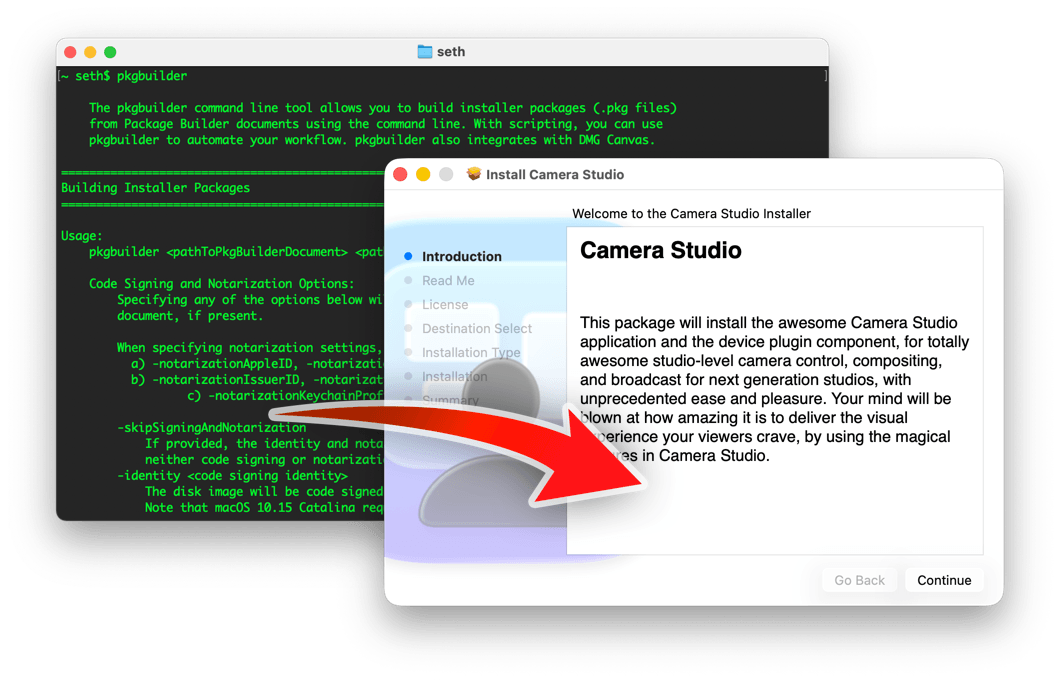
Package Builder's significance is in not requiring the command line to build an installer package, but of course you can absolutely automate it as part of your own build process using the pkgbuilder command-line tool, it's a trivial single call that Just Works.
By using the pkgbuilder tool, you can integrate building your pkg files into your normal build workflow, such as building an application in Xcode. Using the pkgbuilder tool is as simple as passing it the '.pkgbuilder' and the path to save your '.pkg' file to. That's it.