
In the vibrant history of British music journalism, few publications captured the raw, evolving energy of the underground as effectively as . Published from October 1970 to April 1991 , Sounds began as a competitor to established giants like NME and Melody Maker . However, it quickly carved out a unique identity by championing subcultures that larger outlets often overlooked, ultimately becoming a vital primary source for music historians today. 1. A Blueprint for Subcultures
Digital archives for the UK music weekly Sounds (1970–1991) are available through platforms like the Internet Archive, which offers scans of historical issues. The magazine is recognized for pioneering coverage of punk, post-punk, and the New Wave of British Heavy Metal. Explore the archived collection at Archive.org .
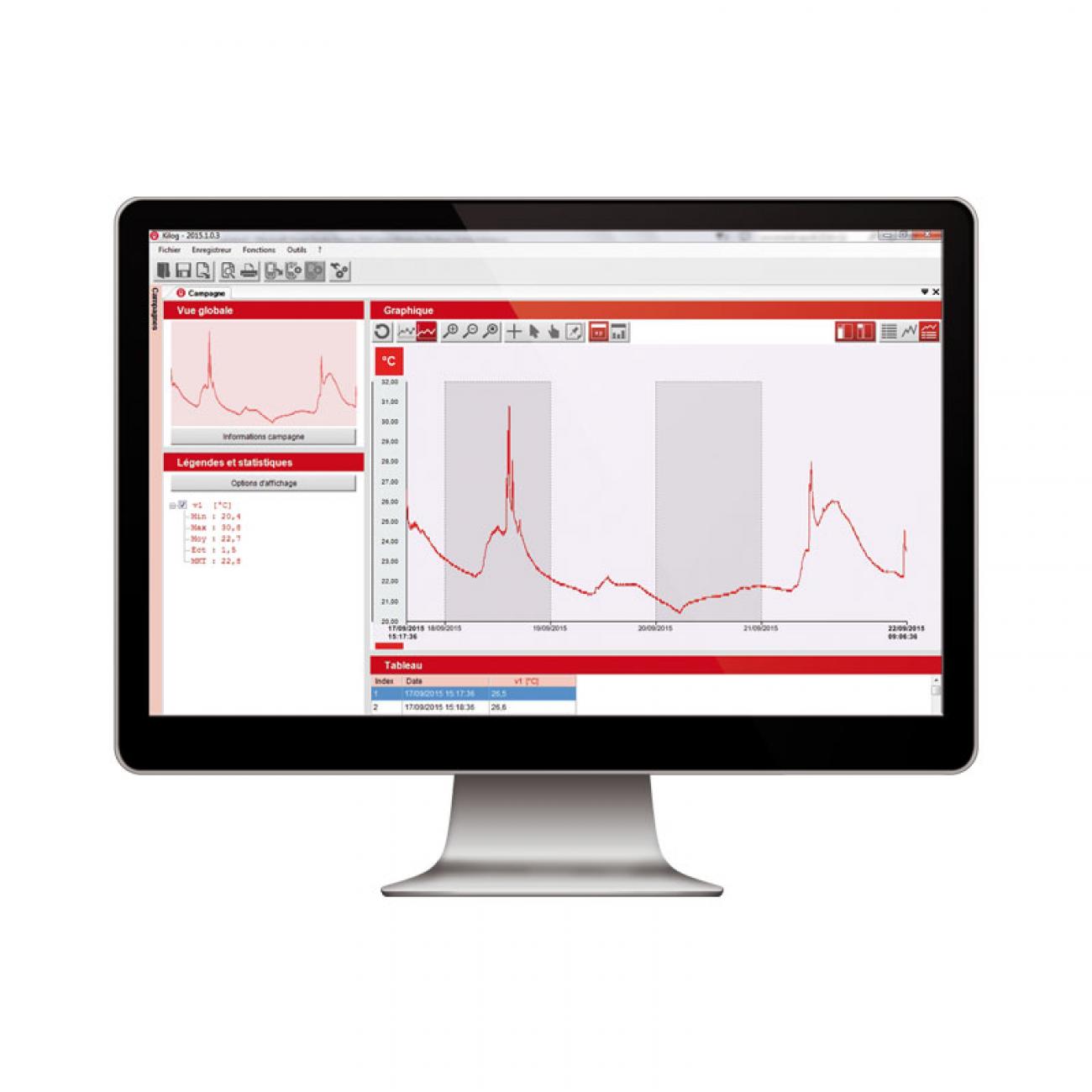
Kimo's KILOG software helps configure, download and process data from Kistock.
Inquire nowData printing and export
Calculated channels
Device configuration
Graphic tools
Management of customers & operators
In the vibrant history of British music journalism, few publications captured the raw, evolving energy of the underground as effectively as . Published from October 1970 to April 1991 , Sounds began as a competitor to established giants like NME and Melody Maker . However, it quickly carved out a unique identity by championing subcultures that larger outlets often overlooked, ultimately becoming a vital primary source for music historians today. 1. A Blueprint for Subcultures
Digital archives for the UK music weekly Sounds (1970–1991) are available through platforms like the Internet Archive, which offers scans of historical issues. The magazine is recognized for pioneering coverage of punk, post-punk, and the New Wave of British Heavy Metal. Explore the archived collection at Archive.org .